Stone Masonry vs. Brick Masonry: Key Differences
People seeking stone masonry often want durable, natural stone features, and local service providers can help distinguish it from brick masonry to meet their project needs.
If you’re exploring options for masonry work on your property, understanding the differences between stone masonry and brick masonry is a practical step toward making informed decisions. Property owners in the area often consider these materials for features like walls, facades, or decorative accents, each offering unique aesthetic and structural qualities. Recognizing how these two approaches differ can help determine which material aligns best with your project needs, style preferences, and long-term goals. Local contractors experienced in stone masonry services can provide valuable insights into how these materials perform in your specific environment, ensuring your investment adds both beauty and durability to your property.
As you continue reading, you'll discover key distinctions between stone masonry and brick masonry, including their appearance, strength, and maintenance considerations. This knowledge can support property owners in choosing the right material for their project, whether aiming for a classic, rustic look or a more refined, uniform appearance. Local service providers specializing in stone masonry are well-equipped to help bring your vision to life, offering expertise that complements your understanding of these materials. Keep exploring to learn how these differences can influence your property’s design and longevity, and how experienced local pros can assist in making the best choice.
- Stone masonry - often chosen for retaining walls and decorative facades where durability and natural appearance are priorities, with local contractors specializing in shaping and installing natural stone.
- Brick masonry - commonly used for load-bearing walls and chimney construction, with service providers focusing on consistent mortar joints and structural integrity.
- Stone masonry - ideal for restoring historic buildings or creating rustic outdoor features, with local pros skilled in matching existing stonework and handling heavy materials.
- Brick masonry - suitable for interior and exterior walls requiring uniformity and ease of installation, with contractors emphasizing precise alignment and finishing.
- Stone masonry - selected for projects demanding high weather resistance and long-term stability, with local service providers offering tailored solutions for natural stone applications.
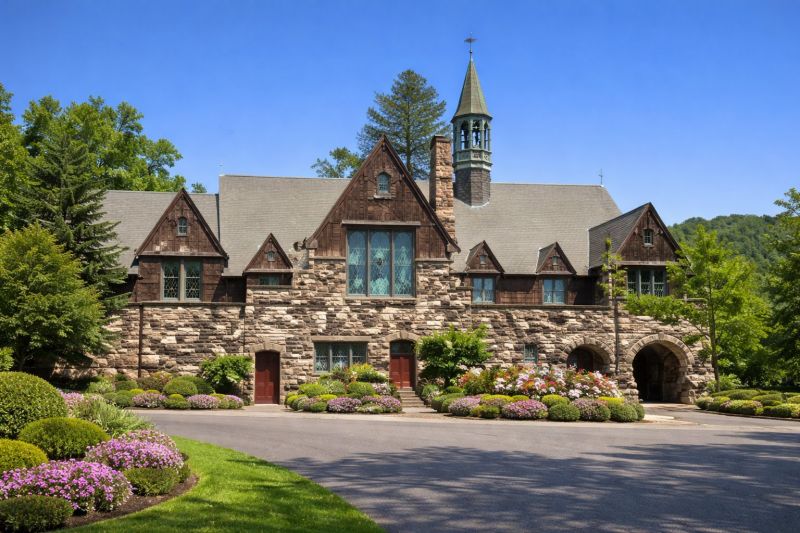
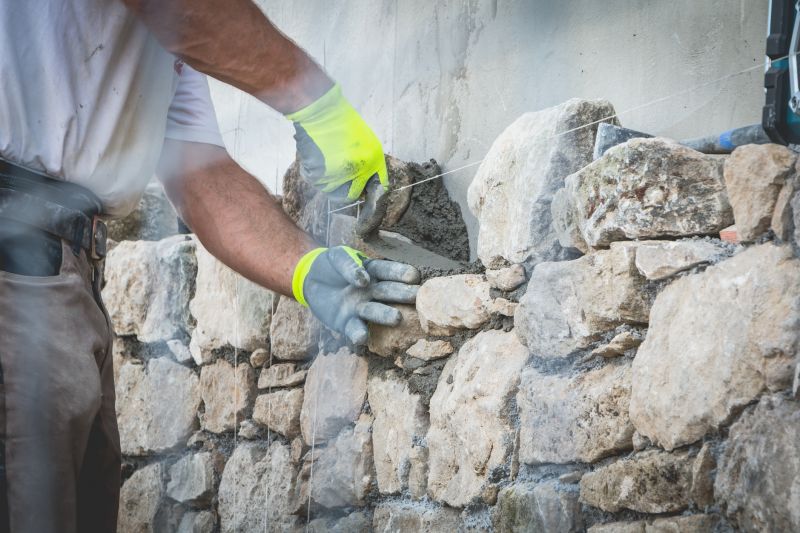
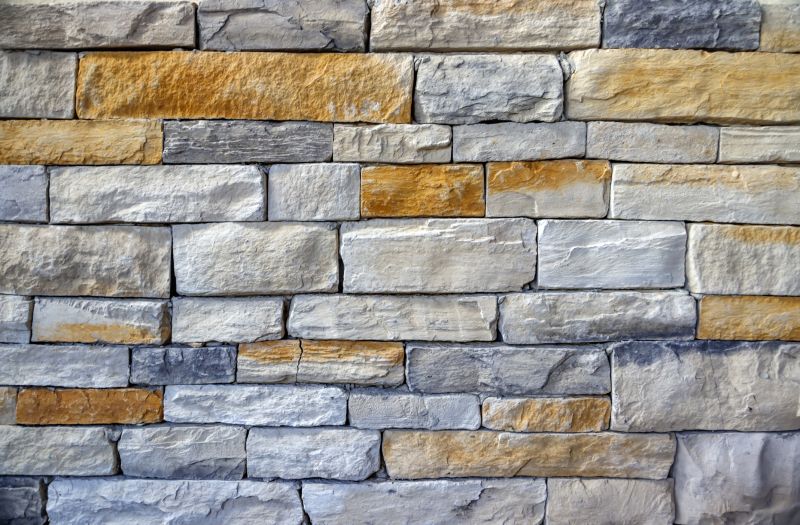
When homeowners search for information on stone masonry versus brick masonry, they are often trying to understand the fundamental differences between these two traditional building methods. Many are planning to undertake projects that involve constructing or restoring features like walls, patios, fireplaces, or facades. These searches usually stem from a desire to choose the most durable, visually appealing, or cost-effective material for their property. Understanding what each type of masonry offers helps homeowners make informed decisions about the style, longevity, and maintenance needs of their projects, especially when considering the expertise of local service providers who specialize in these techniques.
Problems related to this comparison often involve questions about material durability, aesthetic appeal, and suitability for different types of structures. For example, homeowners might be concerned about how well stone or brick withstand weather conditions over time or how each material complements the architectural style of the property. Many plans involve building or renovating exterior features such as retaining walls, garden borders, or outdoor fireplaces, where the choice between stone and brick can significantly impact the outcome. Local contractors experienced in stone and brick masonry can provide guidance on these issues, helping clients select the right material based on the specific needs of the project and the property's environment.
The types of properties where stone masonry and brick masonry are commonly used tend to vary but generally include residential homes, historic buildings, commercial properties, and landscape features. Stone masonry is often chosen for its natural appearance and strength, making it suitable for retaining walls, boundary fences, and decorative facades on larger or more rustic properties. Brick masonry, on the other hand, is popular for its uniformity, ease of installation, and classic look, which works well for residential exteriors, chimneys, and interior accent walls. Homeowners planning to enhance their property's curb appeal or structural integrity frequently seek out local service providers who can execute these materials with craftsmanship and attention to detail.
Understanding the key differences in stone masonry versus brick masonry helps homeowners recognize how each material can serve different purposes in their projects. Stone masonry is celebrated for its durability and natural aesthetic, often used in projects where longevity and a timeless appearance are priorities. Brick masonry offers versatility, a wide range of colors, and easier installation, making it a practical choice for many residential applications. Connecting with local pros who specialize in these techniques ensures that the chosen material is installed correctly and meets the specific requirements of the property. Whether aiming for a rustic look or a sleek, modern finish, homeowners can find experienced service providers who can bring their vision to life with the appropriate masonry approach.
Stone veneer installation - local contractors skilled in applying stone veneer demonstrate expertise in surface preparation and layering techniques similar to stone masonry projects.
Fireplace and chimney construction - building fireplaces and chimneys requires knowledge of masonry materials and structural planning comparable to both stone and brick masonry work.
Retaining wall projects - designing and constructing retaining walls involves understanding of load-bearing principles and material selection akin to key aspects of stone and brick masonry.
Stone cladding and facades - applying stone cladding on building exteriors involves precise cutting and placement skills similar to those used in stone masonry services.
Paving and patio installation - creating durable outdoor surfaces entails masonry skills such as leveling, jointing, and material handling shared with brick and stone masonry.
Restoration and historic masonry repair - restoring old stone or brick structures requires specialized knowledge of traditional masonry techniques and materials.
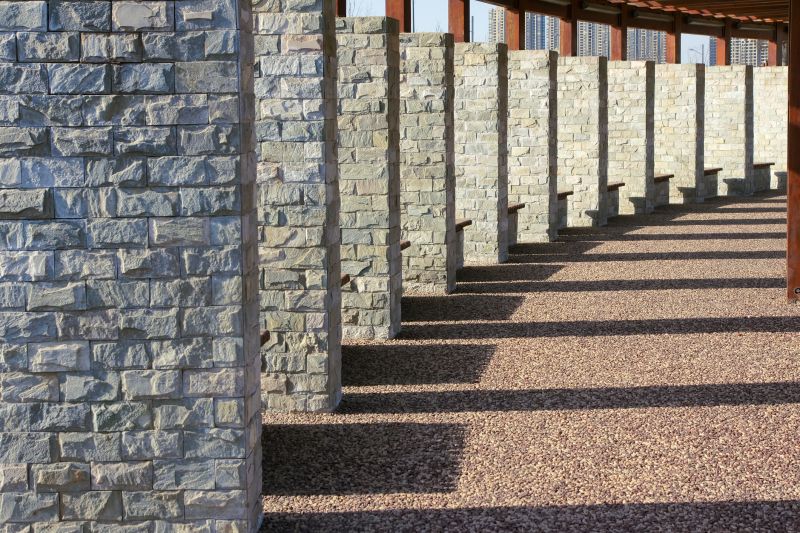
When comparing service providers for stone masonry versus brick masonry, it’s important to consider their experience with similar projects. Homeowners should look for local contractors who have a proven track record working with the specific materials and styles they are interested in. For stone masonry, this might mean examining whether the contractor has completed projects involving natural stone, flagstone, or custom stonework. For brick masonry, experience with various brick types, patterns, and finishes is key. Asking for examples of past work or references can help determine if a contractor’s expertise aligns with the homeowner’s project needs, ensuring the chosen professional has successfully handled comparable projects in the past.
Clear, written expectations are essential when choosing a masonry service provider. Homeowners should seek contractors who can provide detailed descriptions of their scope of work, including material choices, project phases, and any necessary preparatory steps. This clarity helps prevent misunderstandings and ensures that both parties are aligned on project goals. When considering stone masonry services, it’s especially important to confirm that the contractor understands the unique requirements of working with natural stone, such as handling weight, installation techniques, and aesthetic considerations. Well-documented expectations contribute to a smoother process and help homeowners make informed decisions based on transparent communication.
Reputable references and good communication are critical factors when evaluating local contractors for masonry work. Homeowners are encouraged to ask for references from previous clients who had similar stone or brick projects completed. Speaking with past customers can provide insight into the contractor’s reliability, craftsmanship, and professionalism. Additionally, a contractor’s responsiveness and willingness to answer questions or address concerns throughout the planning and execution phases reflect their commitment to clear communication. Choosing a service provider who is transparent, approachable, and experienced with the specific masonry type ensures that the project proceeds with mutual understanding and confidence.
Property owners often search for stone masonry vs. brick masonry: key differences when they are planning practical projects around their homes and businesses. Local pros provide Stone Masonry services for everyday jobs and straightforward project options.
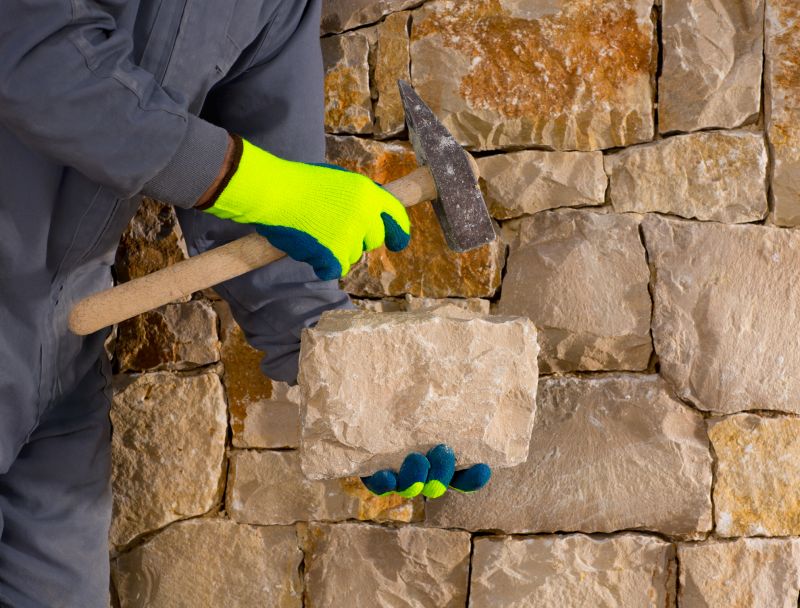
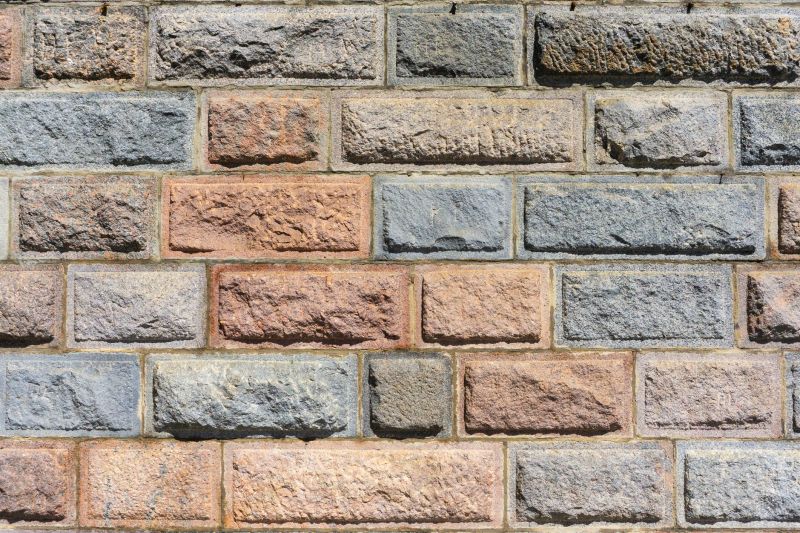
When considering masonry options for projects like fireplaces, retaining walls, or outdoor facades, property owners often look into the differences between stone masonry and brick masonry. Stone masonry typically involves using natural stones, which can provide a rugged, timeless appearance and are known for their durability and natural variation. Brick masonry, on the other hand, uses manufactured bricks that offer a more uniform look and are often chosen for their classic, structured aesthetic. Local contractors specializing in masonry can help evaluate which material best suits the style, structural needs, and longevity expectations for a particular project.
Property owners in the area may seek out information on stone versus brick masonry to understand factors like maintenance, cost, and visual appeal. Stone masonry can be more resistant to weather and wear, making it suitable for long-lasting outdoor features, while brick masonry might be preferred for its ease of installation and consistent appearance. Local service providers experienced in both materials can offer guidance on the advantages and limitations of each, ensuring the right choice aligns with the specific project requirements and desired look.
What are the main differences between stone masonry and brick masonry? Stone masonry uses natural stones, offering a durable and timeless appearance, while brick masonry employs manufactured bricks, which are more uniform and easier to work with. Local contractors can help determine which material suits specific project needs and aesthetic preferences.
How does the construction process differ between stone and brick masonry? Stone masonry typically involves shaping and fitting natural stones, often requiring more time and skill, whereas brick masonry involves laying uniform bricks with mortar, making it generally quicker and more straightforward. Local service providers can advise on the best approach based on the project scope.
Which type of masonry is more suitable for outdoor structures? Both can be used outdoors, but stone masonry is often preferred for its durability and natural resistance to weather, while brick masonry can also perform well when properly maintained. Local pros can recommend the best material for outdoor applications in the local climate.
Are there differences in maintenance requirements between stone and brick masonry? Yes, stone masonry usually requires less maintenance due to its durability, while brick masonry may need periodic repointing or sealing. Local contractors can provide guidance on maintaining each type to preserve their appearance and integrity.
Can stone masonry be integrated with brick masonry in a project? Yes, many projects combine both materials for aesthetic or structural reasons. Local pros can assist in designing and executing a cohesive look that balances the strengths of stone and brick masonry.
Material Selection - Property owners can explore how stone or brick materials impact the appearance and durability of features like fireplaces or garden walls with help from local contractors.
Design Considerations - Planning for structural elements such as retaining walls or entryways involves understanding the aesthetic and functional differences offered by stone versus brick masonry.
Installation Techniques - Choosing the right masonry style requires knowledge of the installation methods suited for each material, which local pros can provide for projects like patios or facades.
Maintenance Needs - Property owners can consider long-term upkeep and repair options for stone or brick structures, with guidance from local service providers experienced in both types of masonry.
If you are thinking about stone masonry vs. brick masonry: key differences for a property, this guide is meant to help you understand this topic, the typical project types, and how different options might fit your plans.
When you are ready, you can use the quote form on this page to share a few details about your project. From there, local pros can review the basics and follow up with options that match what you have in mind.